

Applies to: Oil & gas subsea infrastructure →
If you are specifying identification for a subsea asset, the first question is not what it costs. It is whether it will still be legible, and defensible, years into a wet, fouling, high-pressure life. Here is how to judge that, and what to ask a supplier before you buy.
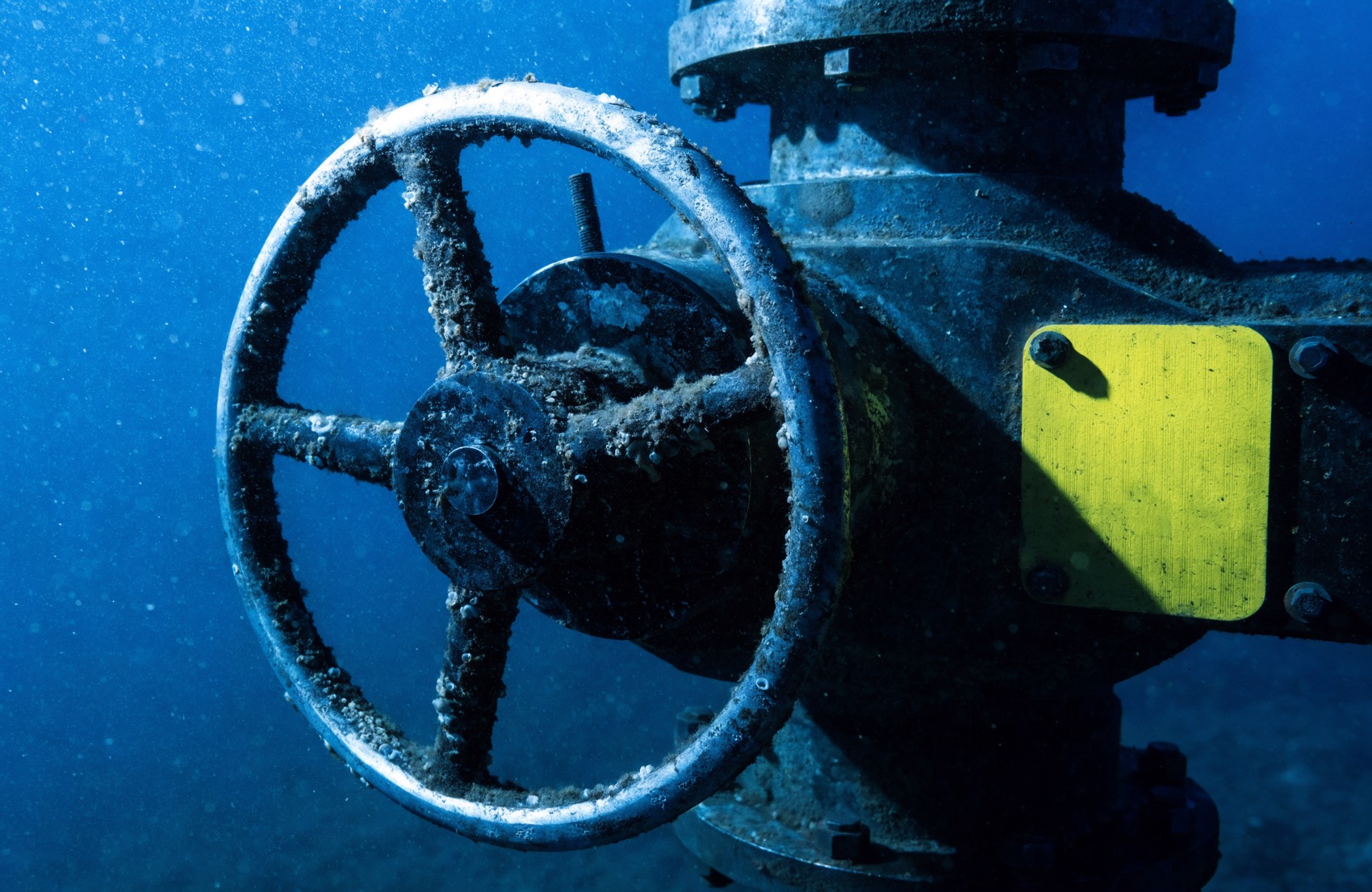
Subsea identification is a safety and integrity function, not a cosmetic one. A marker that disappears under marine growth, or peels from its substrate after a few years, is not a small problem. It slows ROV intervention, complicates an integrity audit, and can put an operator on the wrong side of its own asset-marking procedures. So the sensible way to specify signage is the same way you specify anything that has to survive down there: against evidence and against recognised standards.
Start with the trust question, not the spec
Before comparing materials, resolve three things. Is the product tested, and against what? What does the guarantee actually cover, and for how long? And can the supplier show it performing on assets like yours? A supplier who answers those clearly is easier to defend in a design review than one who leads with a feature list.
The standards and bodies worth naming
No single mark covers subsea signage end to end, so buyers usually assemble the picture from several. Ask where a product sits against the relevant guidance from bodies such as the International Organization for Standardization (ISO), the standards maintained under NORSOK for the Norwegian continental shelf, classification and verification from DNV, and the anti-fouling and biofouling guidance associated with the International Maritime Organization (IMO). In UK waters, operators also work to the expectations of the Health and Safety Executive (HSE) and guidance from Offshore Energies UK. The point is not that one badge settles it. It is that a credible supplier can tell you, in plain terms, which of these apply to your application and how their product measures up.
The point is not that one badge settles it. It is that a credible supplier can tell you which standards apply to your application, and how their product measures up.
What a 60-year guarantee has to mean
A long guarantee is only as good as the mechanism behind it. For anti-fouling markers, the durability claim rests on the material doing two jobs at once: staying bonded to the substrate, and staying legible as growth tries to colonise the surface. Aquasign markers are moulded from a non-toxic, oil-exuding silicone that releases a proprietary oil from an internal reservoir over time, so the surface keeps shedding growth even as it ages. That is the difference between a marker that is legible on day one and one that is still legible on an inspection dive a decade later. Ask any supplier to explain the mechanism, not just quote the number. We explain ours in what Aquasign is made of.
Questions to put to a supplier
- Which standards and guidance does this product meet, named in full, and for my application?
- What independent or in-house testing supports the durability and anti-fouling claims?
- What exactly does the guarantee cover, and what would void it?
- Can you show the product performing on comparable assets, depths and climates?
- How is the identification kept legible for ROV and diver inspection over the asset's life?
Get clear answers to those, and the compliance question stops being a worry and becomes a line you can defend.
See how Aquasign is tested
Our testing and accreditation page sets out what the marker is proven against and what it means for your scope.
Testing & standardsFrequently asked questions
Is subsea signage covered by a single standard?
No. Buyers usually assemble the picture from several sources, including guidance from the International Organization for Standardization (ISO), NORSOK standards, DNV verification, and the biofouling guidance associated with the International Maritime Organization (IMO). A credible supplier can tell you which apply to your specific application.
What does the Aquasign 60-year guarantee cover?
It covers anti-fouling performance: the marker is designed to stay bonded and stay legible for the stated life, using a non-toxic oil-exuding silicone that keeps shedding marine growth as it ages. Confirm the exact terms with Aquasign for your application.
How do anti-fouling markers keep working as they age?
The silicone releases a proprietary non-toxic oil from an internal reservoir over time, so the surface continues to resist marine growth even if it develops minor imperfections, keeping the identification visible for inspection.