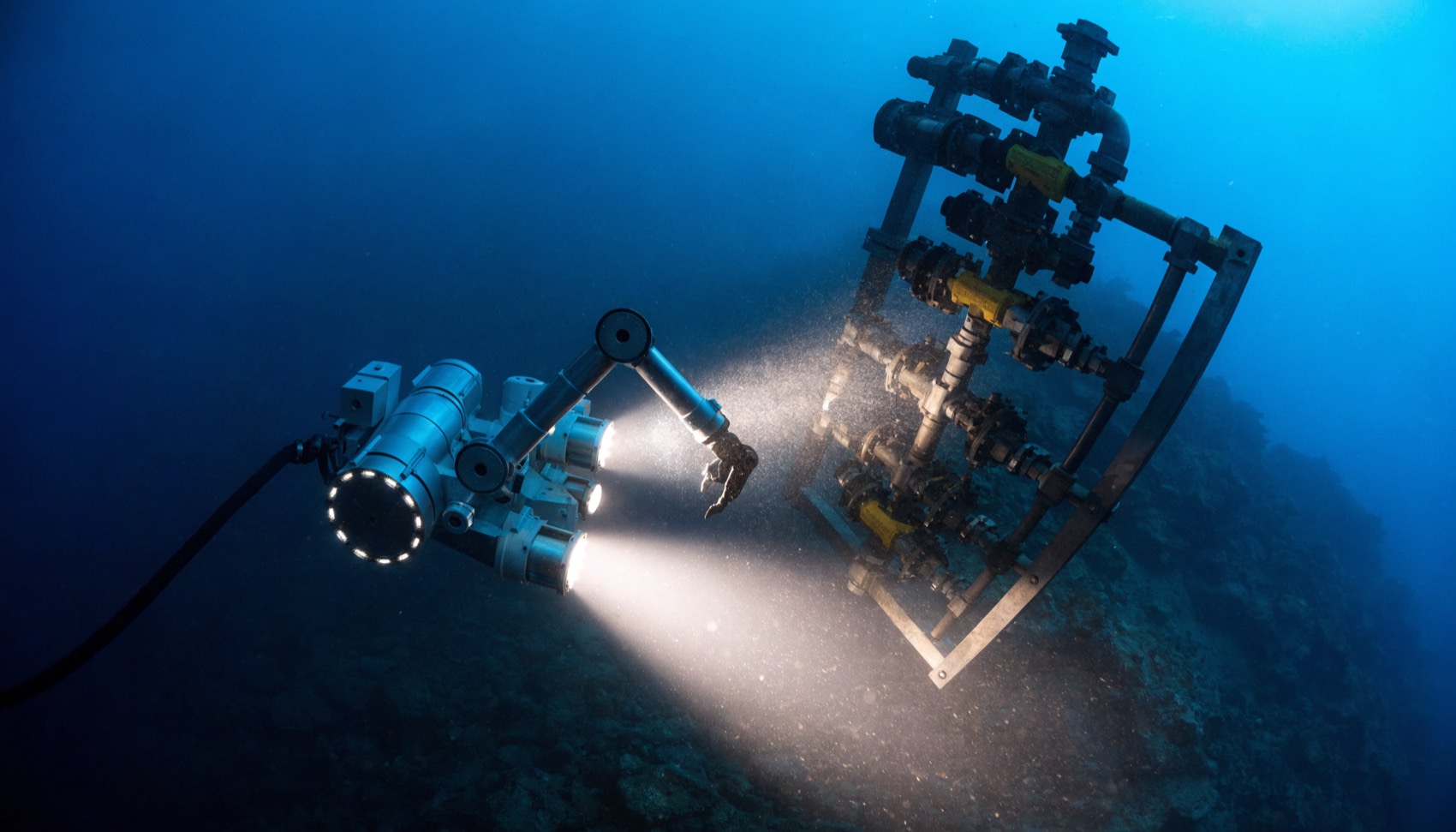
Intervention is where identification is tested hardest. A work-class ROV or a diver has a limited window, poor visibility and a camera feed. The first thing they do at a panel is confirm what they are looking at. If the marking has fouled over, the whole operation slows down, and the day rate keeps running.
The challenge
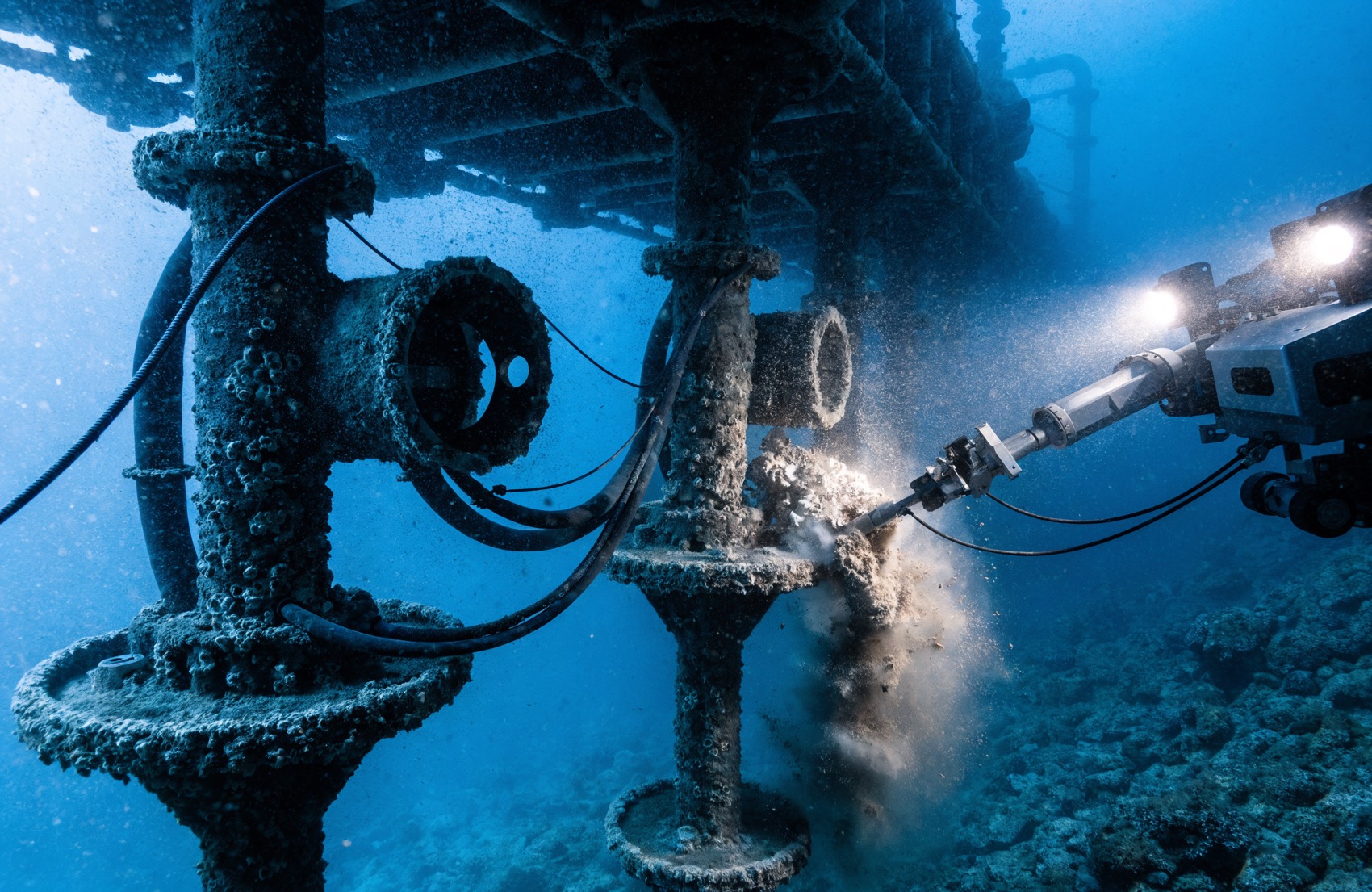
Subsea inspection and intervention are dominated by the cost of access: the vessel, the ROV spread, the weather window. Identification that needs cleaning before it can be read adds a step to every visit. Worse, ambiguous marking on a valve or panel introduces risk into an operation where there is no room for it.
How Aquasign helps
Aquasign markers are engraved for contrast and legibility, and they stay clear because the anti-fouling silicone keeps shedding growth. That means an ROV pilot reads the valve or panel first time, at working distance.
- High-contrast, engraved identification that reads on a camera feed at an angle.
- No cleaning step before a marker can be read, removing time from every visit.
- Unambiguous valve and operability marking that supports safe intervention.
Improving intervention efficiency?
We will help you standardise valve and panel identification that reads first time and stays that way.
Talk to an engineerThe content cluster
Related reading for this application
Deeper material that maps to ROV and diver intervention.
Marine growth cost calculator
Model what keeping identification legible actually costs across an asset's life.
Open the tool →The hidden OPEX in subsea inspection
Why access dominates inspection cost, and how legible markers remove a line from it.
Read →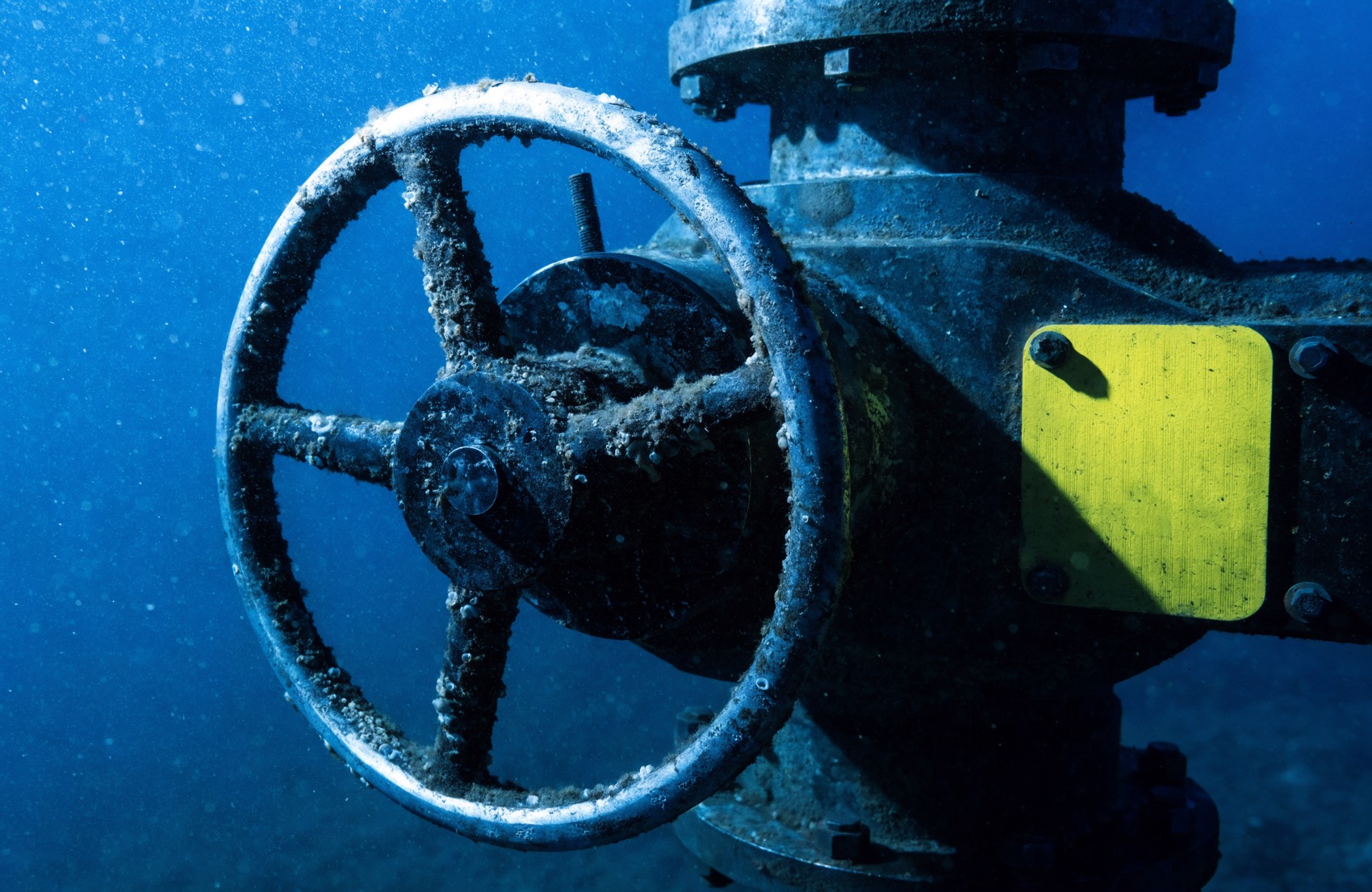
Valve & manifold identification
What reads well at depth, and how to keep it defensible on an audit.
Read →