
Applies to: ROV & diver intervention →
⚠ Illustrative viewpoint, written to demonstrate the resource hub.
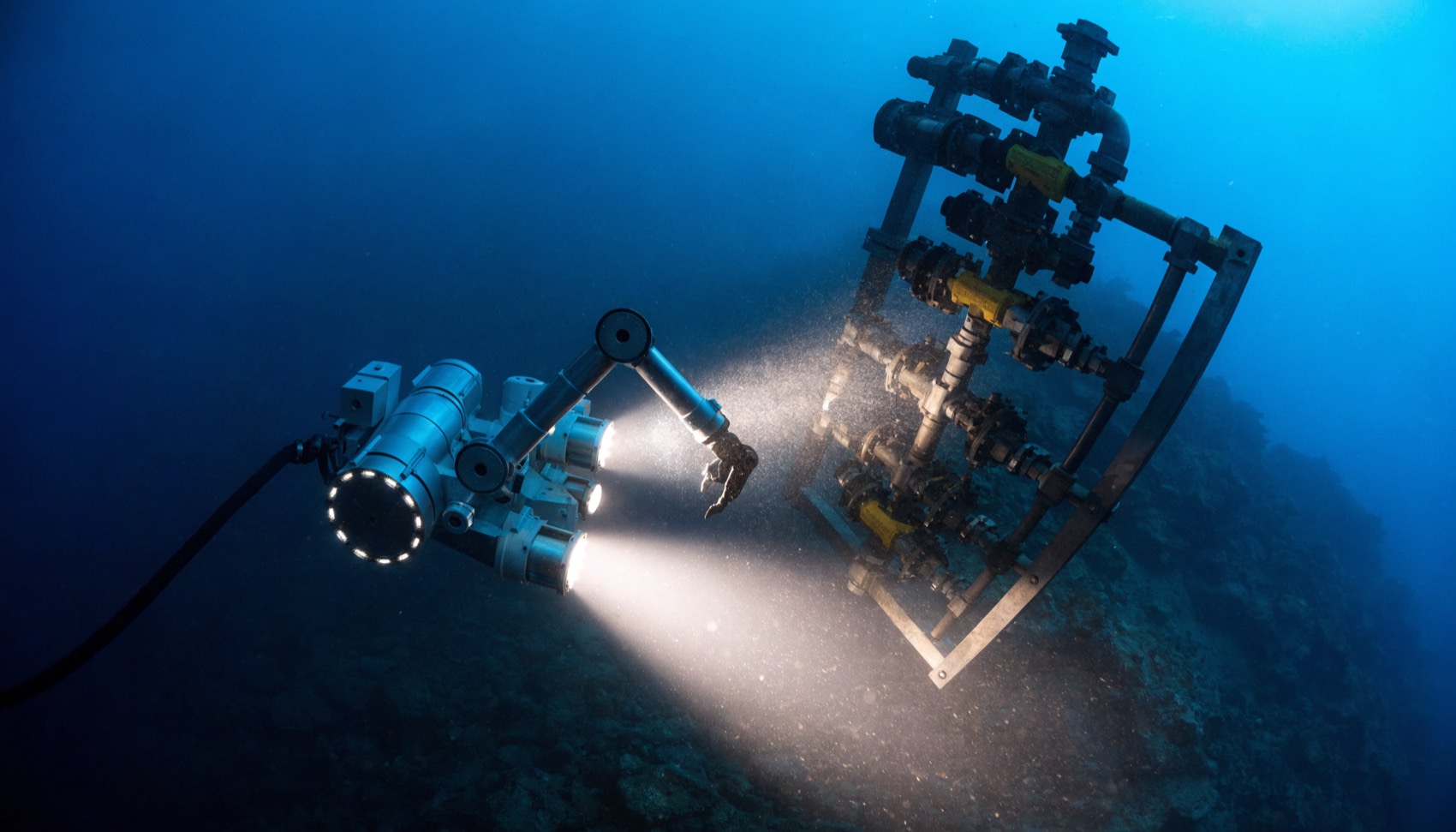
Ask what subsea inspection costs and most people think of the ROV. The ROV is the cheap part. The expensive part is everything required to get it in front of the asset.
The recurring cost of subsea inspection is dominated by access: the vessel day rate, the ROV spread, the crew, the weather window, the planning. Against that, the marginal cost of a task is small, which is exactly why the number of tasks, and the time each one takes, matters so much.
Where marking fits
Identification that has fouled over adds a step to a task: clean it, or work out what it is another way. Multiply a small delay across every marked asset, across every inspection campaign, across a field's life, and it stops being small. The marine growth cost calculator models one version of this directly.
Anti-fouling identification does not just look better. It removes a recurring task from a budget that is almost all access cost.
The practical read
If the goal is to reduce subsea OPEX, the levers are fewer visits and faster visits. Legible-forever identification helps with the second: an ROV pilot who reads a valve or panel first time is not burning expensive minutes. It is a small design decision with a recurring payoff, which is the best kind.