
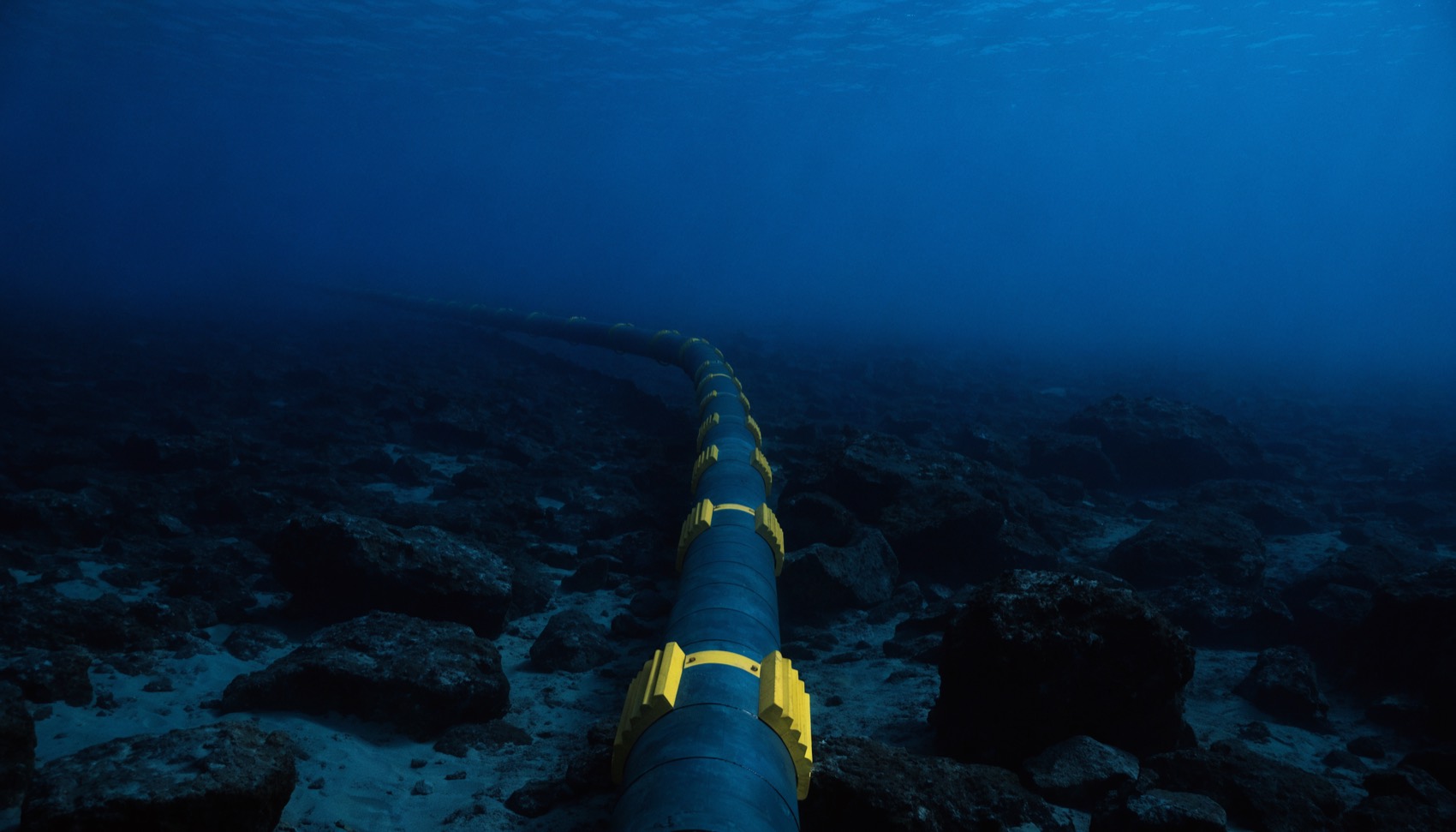
Pipelines and flowlines run for kilometres across the seabed, cross other infrastructure, and are surveyed repeatedly across their life and again at decommissioning. Knowing which line you are looking at, and where the crossings and tie-ins are, depends on identification that does not disappear.
The challenge
Route and crossing markers have to stay readable through years of exposure, silt and marine growth. Conventional marking fades or fouls, and on a long line a survey cannot afford ambiguity. At decommissioning, the same identification supports the survey and debris-clearance work that is a regulatory requirement in most jurisdictions.
How Aquasign helps
Aquasign markers keep shedding growth as they age, so route, crossing and tie-in identification stays legible for the life of the line and beyond.
- Durable route and kilometre-point identification that survives without cleaning.
- Clear crossing markers where lines meet other pipelines and cables.
- Identification that still supports the survey when the line reaches end of life.
Marking a pipeline or flowline route?
We will recommend durable route, crossing and tie-in identification and the fixing to suit the coating and substrate.
Talk to an engineerThe content cluster
Related reading for this application
Deeper material that maps to pipelines and flowlines.
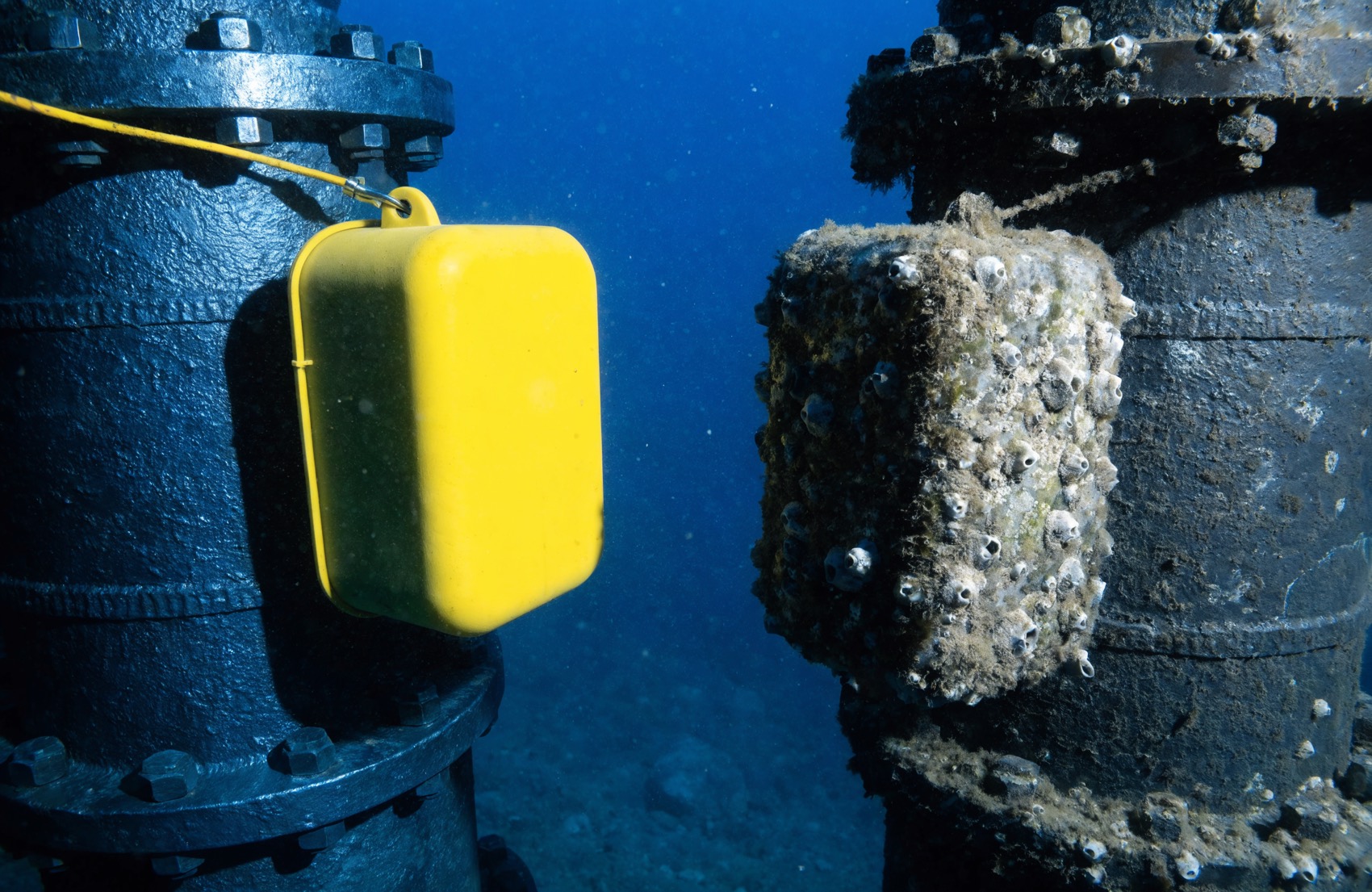
Anti-fouling vs traditional marking
Why the whole-life difference over a long line is larger than most specs assume.
Read →Deepwater flowline route markers
An illustrative scope: route and tie-in markers that stay legible without cleaning.
Read →The full subsea signage guide
Products, applications, fixings and standards, all in one place.
Open the guide →