
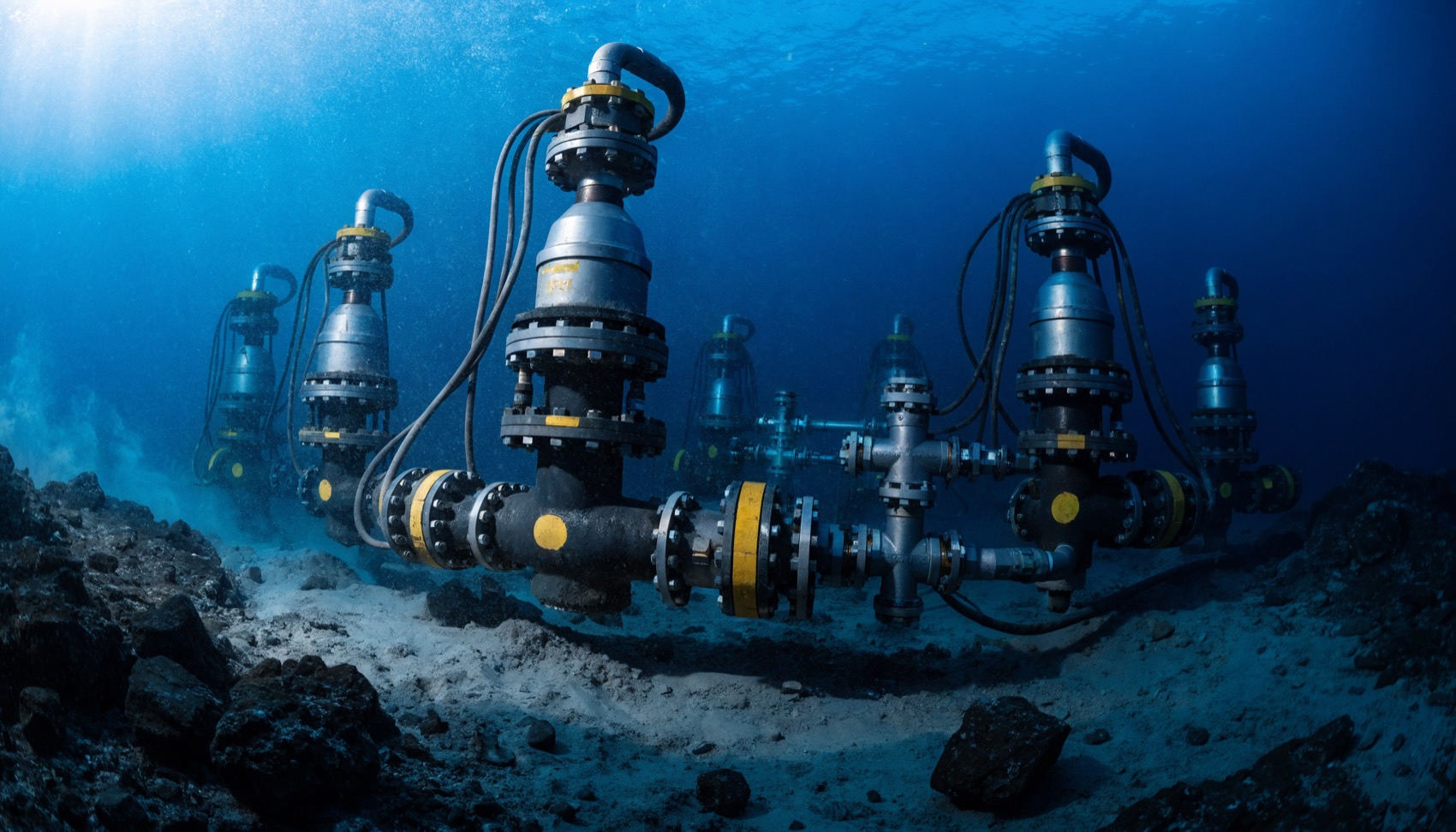
A subsea production system is a crowded, safety-critical environment. When an ROV or diver arrives at a manifold, they need to confirm exactly which valve, tree or jumper they are looking at before they act. Identification that has fouled over or fallen off turns a routine task into a slow, risky one.
The challenge
Fiducial and identification markers are fitted across subsea drilling systems, blow-out preventers, wellheads, manifolds, jumpers, umbilicals and control systems. They have to survive years on the seabed in a productive water column, where marine growth colonises conventional marking within a season or two. On a live asset, an unreadable tag means guessing, and guessing is exactly what a well-run operation designs out.
How Aquasign helps
Aquasign markers are engraved into a non-toxic, oil-exuding silicone that keeps shedding marine growth as it ages, so the identification is as legible on a future dive as on installation day. That means:
- Faster, safer ROV and diver intervention, because the right component is confirmed at a glance.
- Identification that stands up in an integrity audit, guaranteed for 60 years.
- One system across the whole system: trees, manifolds, valves, jumpers, spools and structures.
Specifying identification for a subsea development?
We will recommend the marker, format and fixing for each asset class and provide the evidence for your design review.
Talk to an engineerThe content cluster
Related reading for this application
Deeper answers from the Learning Centre that map to oil and gas subsea infrastructure.
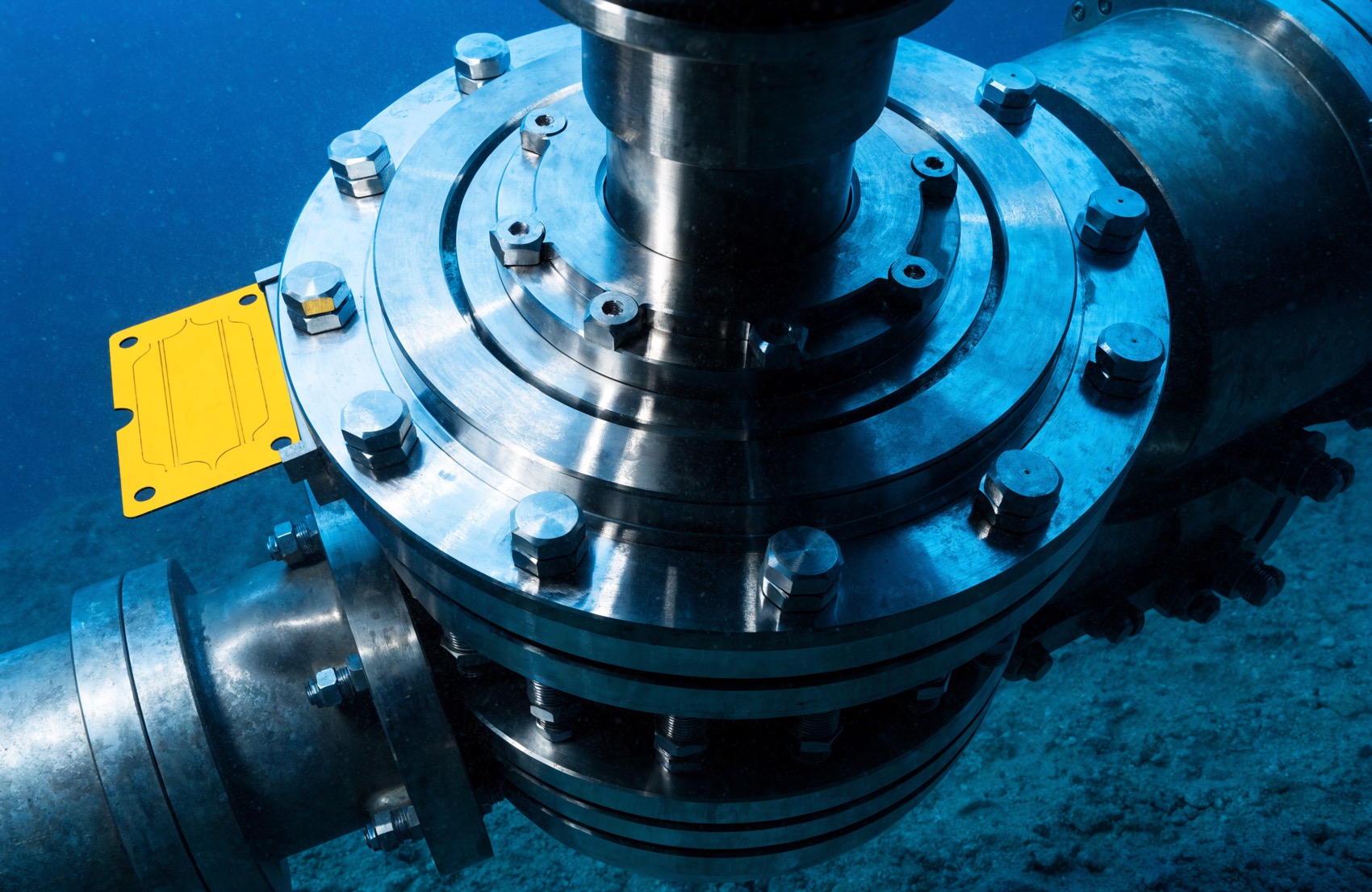
Is your subsea signage compliant?
How to judge whether identification is proven and defensible, and the questions to ask any supplier.
Read →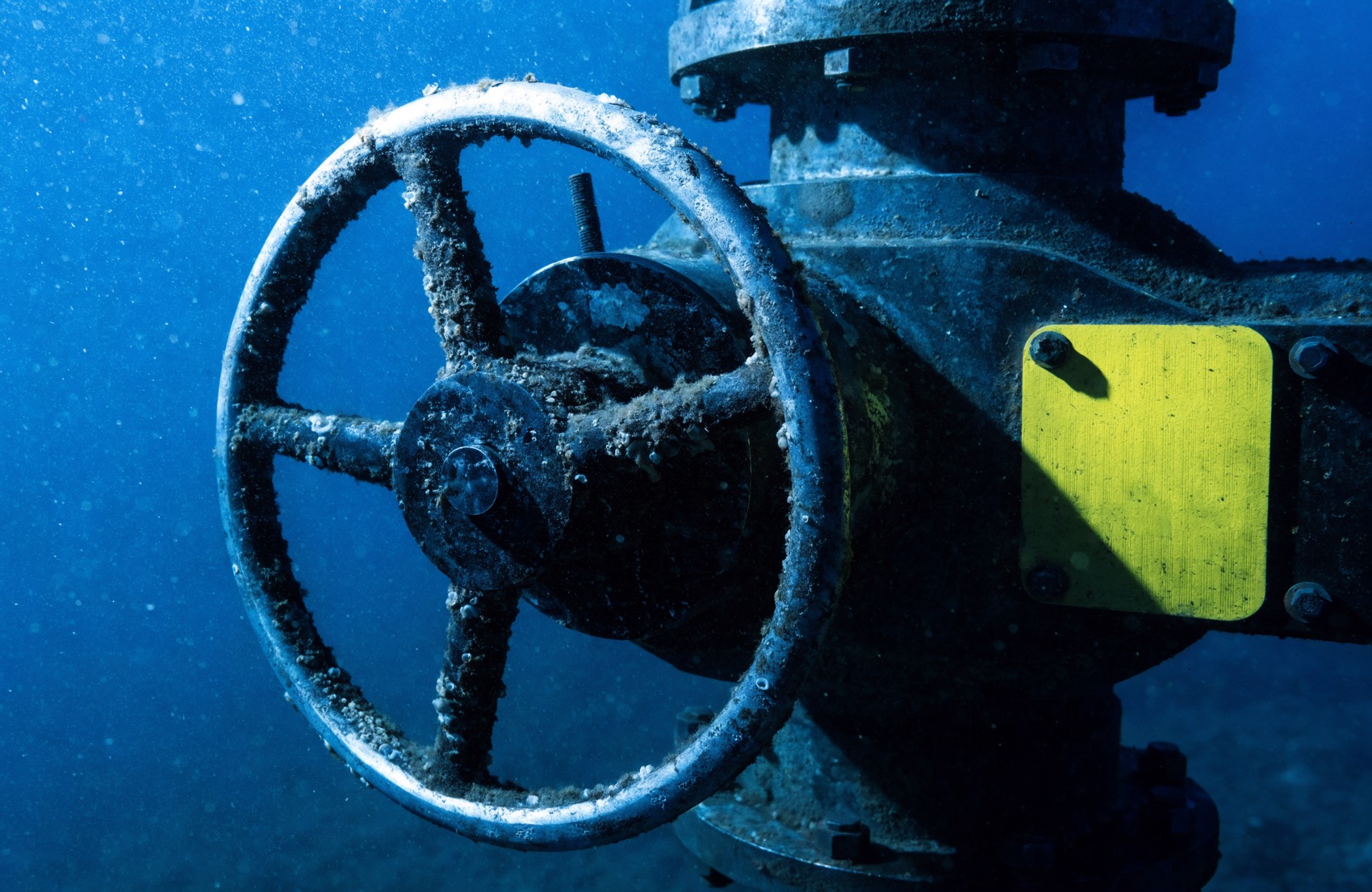
Valve & manifold identification
What reads well at depth, what survives the fouling, and how to keep it defensible on an audit.
Read →The full subsea signage guide
Products, applications, fixings and standards, all in one place.
Open the guide →