
Home/Subsea signage guide
The complete guide
Subsea signage & asset identification
Everything you need to specify identification that stays legible, compliant and defensible for the life of the asset. Start here, then go deep on any question.
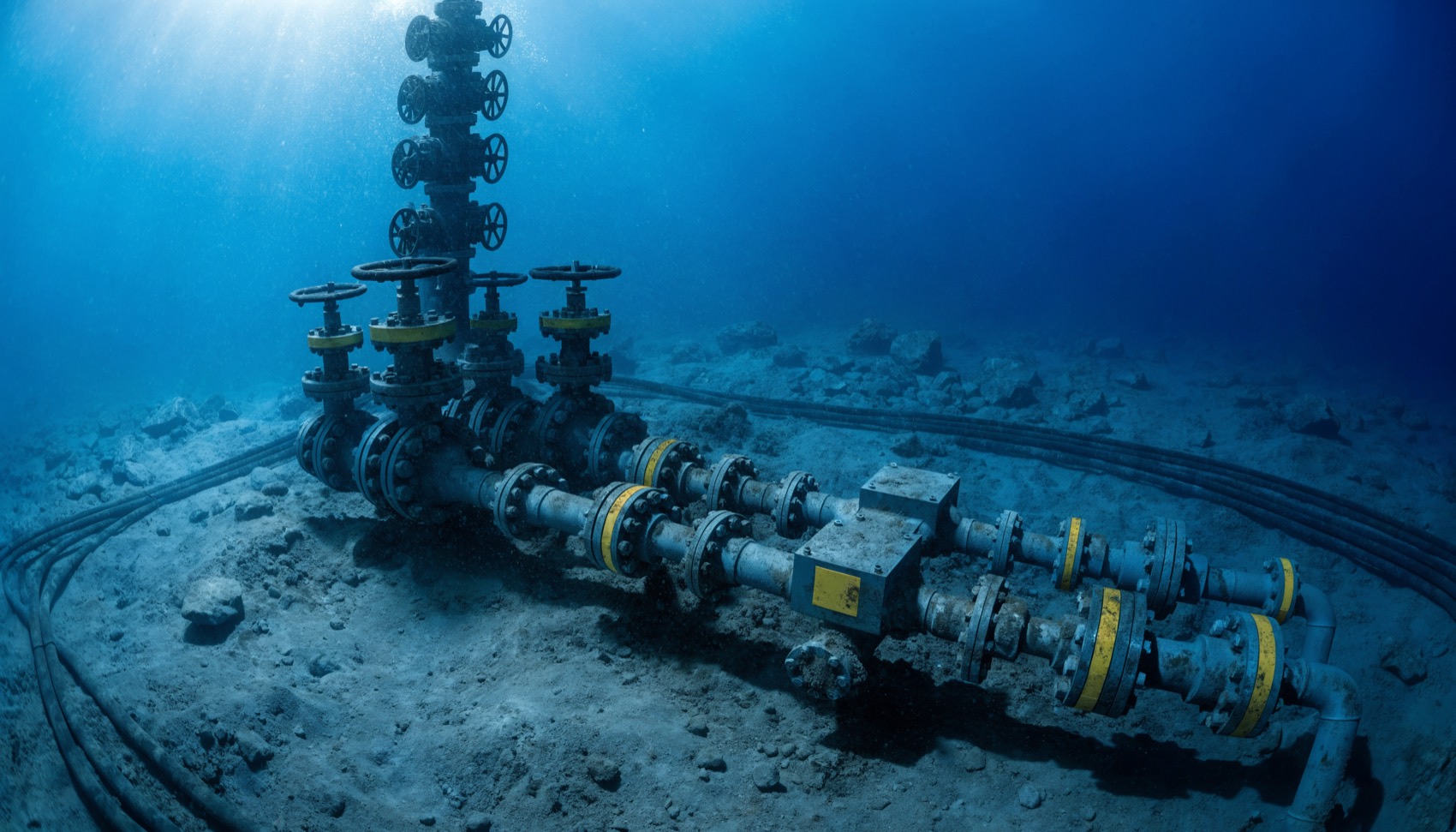
Subsea identification is a safety and integrity function, not a cosmetic one. A marker that disappears under marine growth, or peels from its substrate after a few years, slows intervention, complicates an audit, and can put an operator on the wrong side of its own asset-marking procedures.
This guide brings together how to choose signage that survives, how it is fixed, which standards apply, and where to go deeper. It is written for the engineers and procurement teams who actually specify it.
The range
Subsea markers for every asset
One anti-fouling system, engineered into the format your application needs.
Aquasign® markers
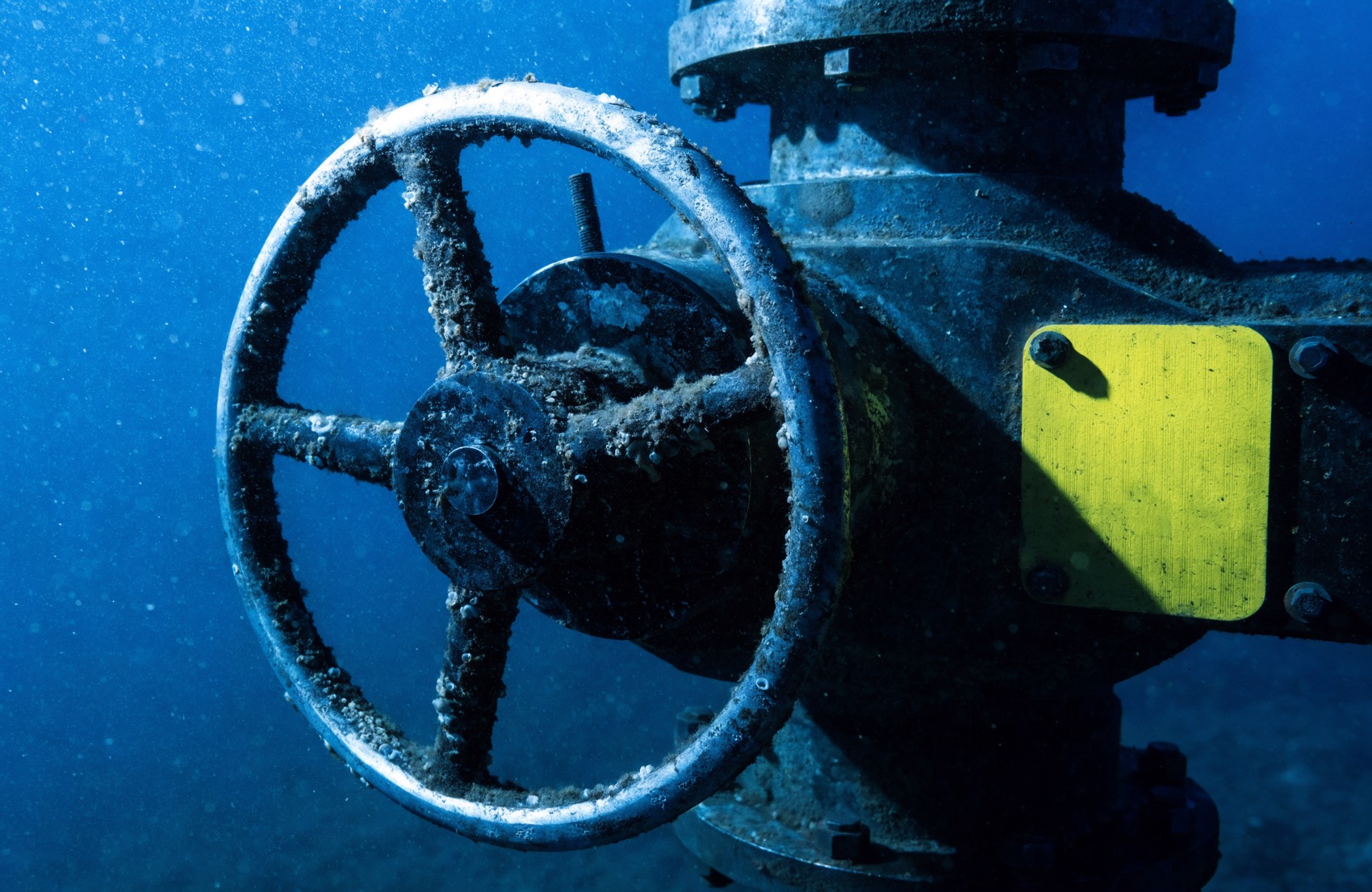
The guaranteed anti-fouling marker for valves, manifolds, trees, jumpers, spools and structures. Moulded silicone, engraved for clear identification.
Aquasign Lumino
High-visibility markers engineered for identification at depth and in low-light conditions, where legibility on an ROV feed is everything.

Cable & tether markers
Flexible markers that wrap and stay put on cables, umbilicals, flowlines and tethers, from the smallest hose upward.
Topside & oilfield
Above the waterline, the same standard
Over 30 years of oilfield signage sits behind Aquasign. Topside and oilfield signage is produced by the method that suits the material and the environment.
Add RFID and machine-readable codes where you need to tie a physical asset to its digital record, so identification works for people and for systems.

Fixings
Fixed to last, matched to the substrate
The best marker is only as good as its fixing. We match the method to your material, depth and access.
Adhesive
Non-toxic, high-bond adhesives cleared for air freight, for a fast and clean fit.
Mechanical
Bolted and banded options where a permanent, load-tolerant fixing is required.
Retrofit
Diver or ROV-friendly options to re-mark existing assets in the field, without recovery.
Is your signage proven and compliant?
No single standard covers subsea signage. We put the evidence, testing and the standards that apply on one page, framed around what it means for you.
See testing & standards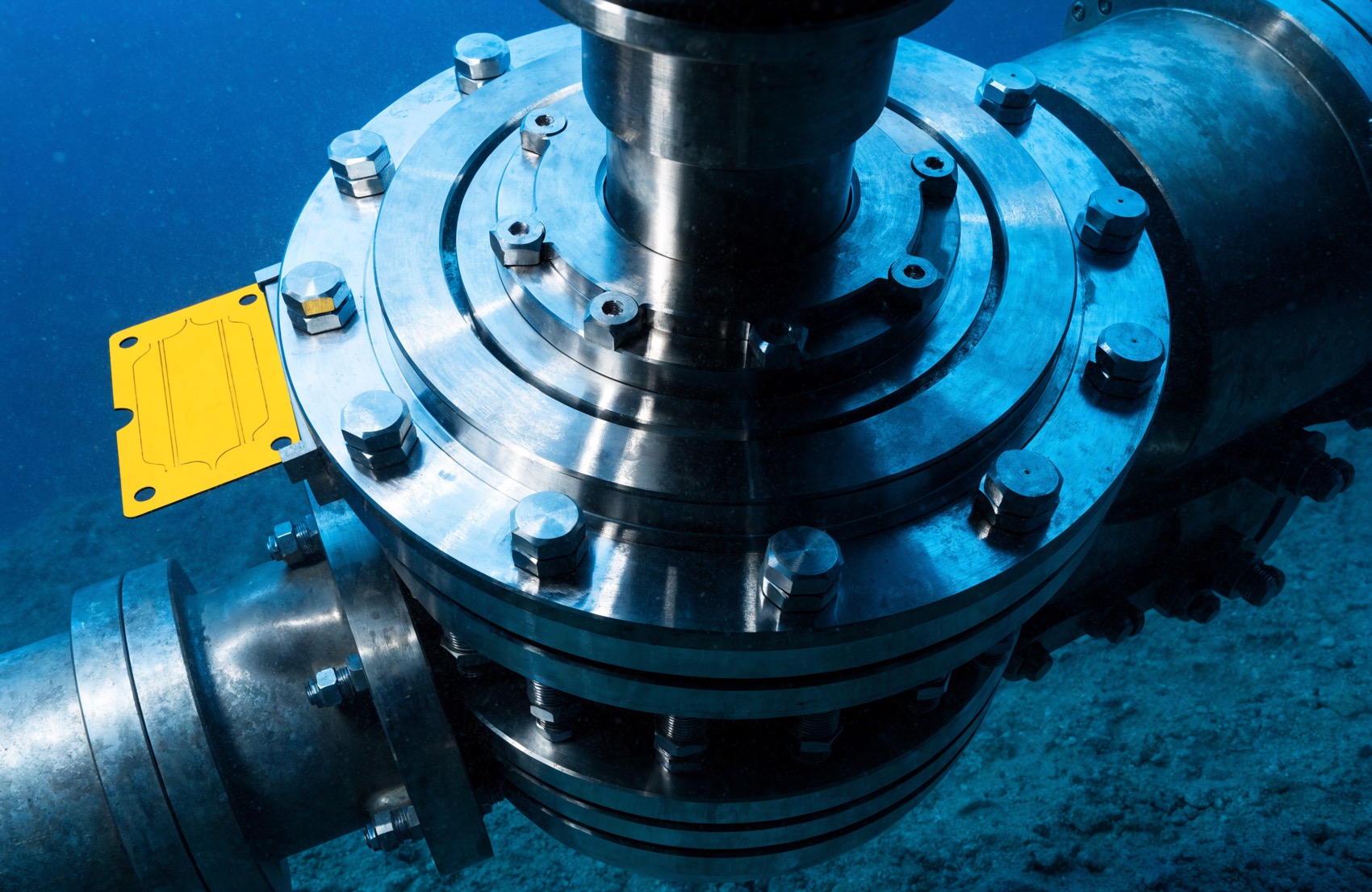
Go deeper
Answers from the Learning Centre
Five focused reads that connect back to this guide.
Is your subsea signage compliant?
The legitimacy question buyers ask first, and the five questions to put to any supplier.
Read →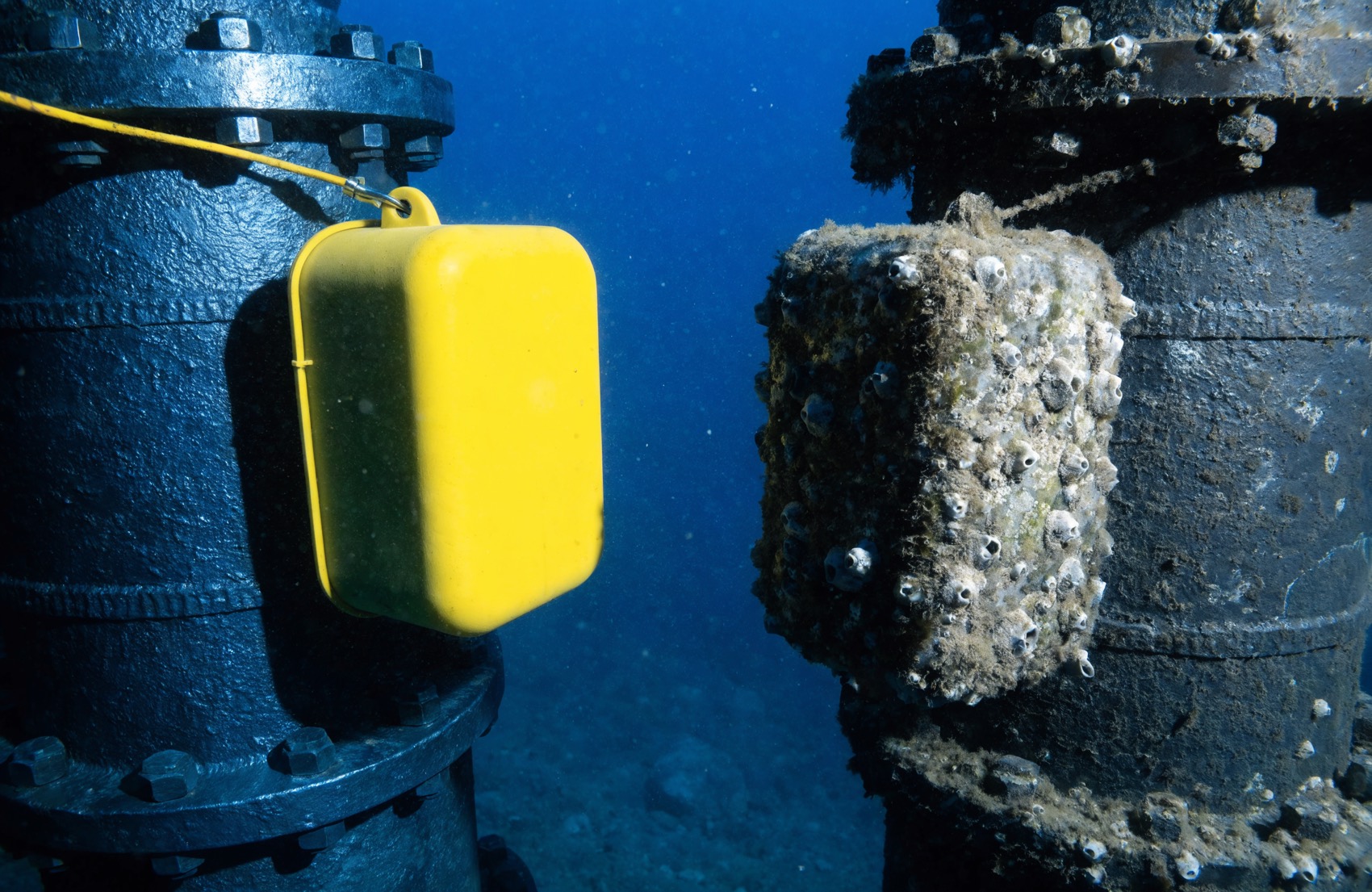
Anti-fouling vs traditional marking
Compared on durability, whole-life cost and standards, not a feature grid.
Read →
Marine growth cost over field life
Model what keeping identification legible actually costs across an asset's life.
Read →Valve & manifold identification
What reads well at depth, what survives the fouling, and how to keep it defensible.
Read →What Aquasign is made of
The materials science behind a 60-year anti-fouling guarantee.
Read →Have a specific scope?
Send us the application and we will send the standards pack and a sample.
Contact →Frequently asked questions
Is subsea signage covered by a single standard?
No. Buyers usually assemble the picture from several sources, including guidance from the International Organization for Standardization (ISO), NORSOK standards, DNV verification, and the biofouling guidance associated with the International Maritime Organization (IMO). A supplier should tell you which apply to your specific application. See testing & standards.
How long does Aquasign stay legible?
Aquasign markers are guaranteed for 60 years. The oil-exuding silicone keeps shedding marine growth as it ages, so the marker stays readable for the life of the asset without cleaning.
Can you re-mark an existing asset without recovering it?
Yes. Retrofit fixings allow diver or ROV-friendly re-marking of assets in place, which is often the fastest way to restore legibility on an ageing field.
Do the markers work outside oil and gas?
Yes. The same anti-fouling system is used across offshore wind, aquaculture, defence and marine infrastructure, anywhere identification has to survive underwater.