
Use case · Renewables
Offshore wind subsea marking
Identification for inter-array and export cables, cable protection systems and foundations that lasts the life of the wind farm.
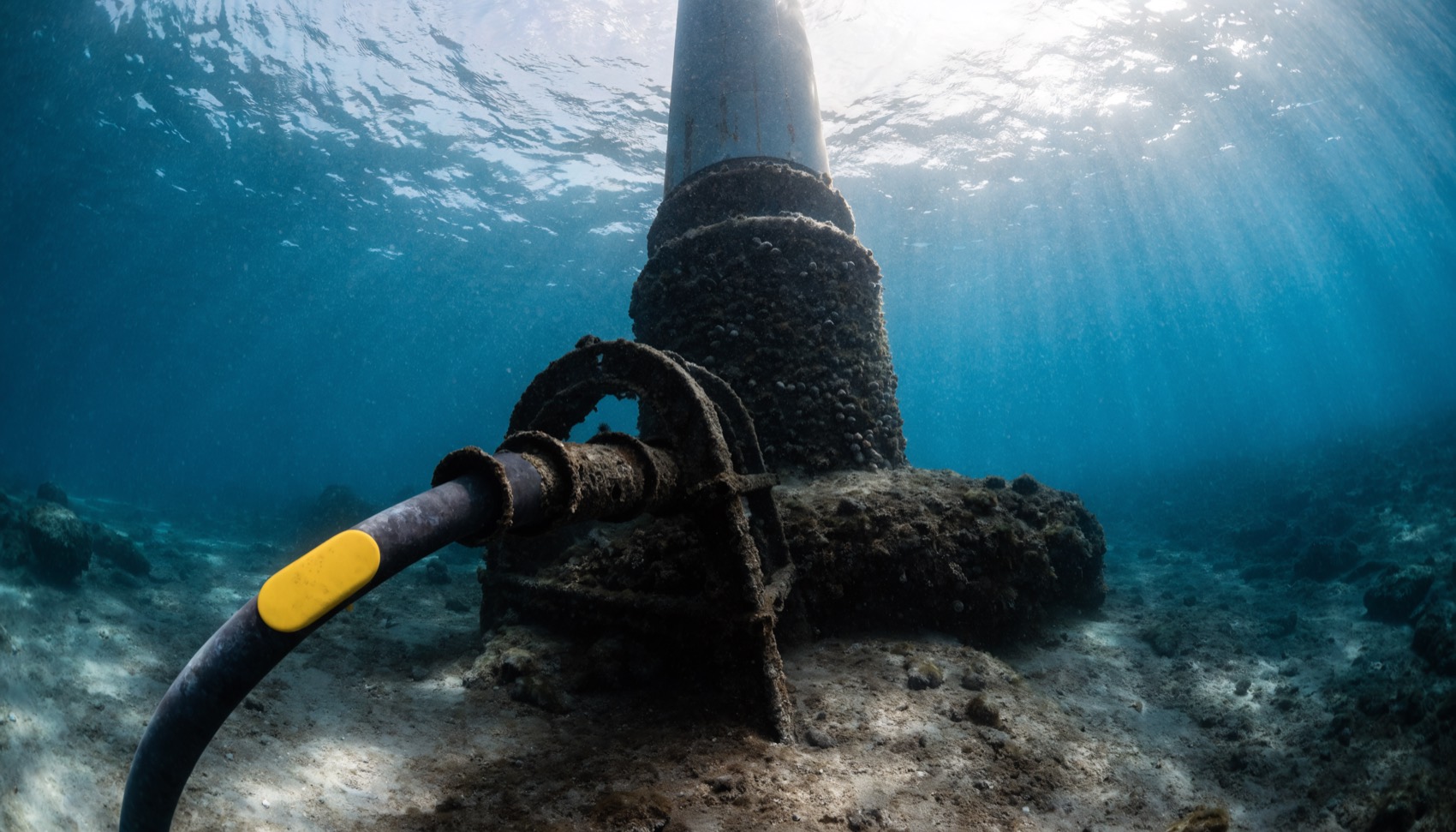
Offshore wind is scaling fast, and its subsea assets need to be found, identified and inspected for decades. Inter-array and export cables, their cable protection systems, and the foundations they enter are all things an ROV survey has to locate and confirm, often where new cables cross existing infrastructure.
The challenge
Subsea cables carry identification stripes, but at the seabed, at bend stiffeners and i-tubes, and at busy crossing points, clear external identification matters. As arrays grow and cross existing pipelines and other cables, the number of things to mark and tell apart on a survey grows with them. Non-toxic materials are increasingly expected in the water column, which rules out some conventional options.
How Aquasign helps
The Aquasign anti-fouling marker is 100% non-toxic and stays legible without cleaning, which suits both the environmental expectations of renewables and the reality of assets nobody wants to revisit unnecessarily.
- Flexible markers that wrap and stay put on cables, umbilicals and at cable protection systems.
- Clear crossing and route identification where inter-array cables meet existing infrastructure.
- Non-toxic by design, with no biocide leaching, supporting biofouling and environmental guidance.
Marking a wind farm's subsea scope?
We will help you identify cables, crossings and foundations in a way that survives the life of the array.
Talk to an engineerThe content cluster
Related reading for this application
Deeper material that maps to offshore wind.
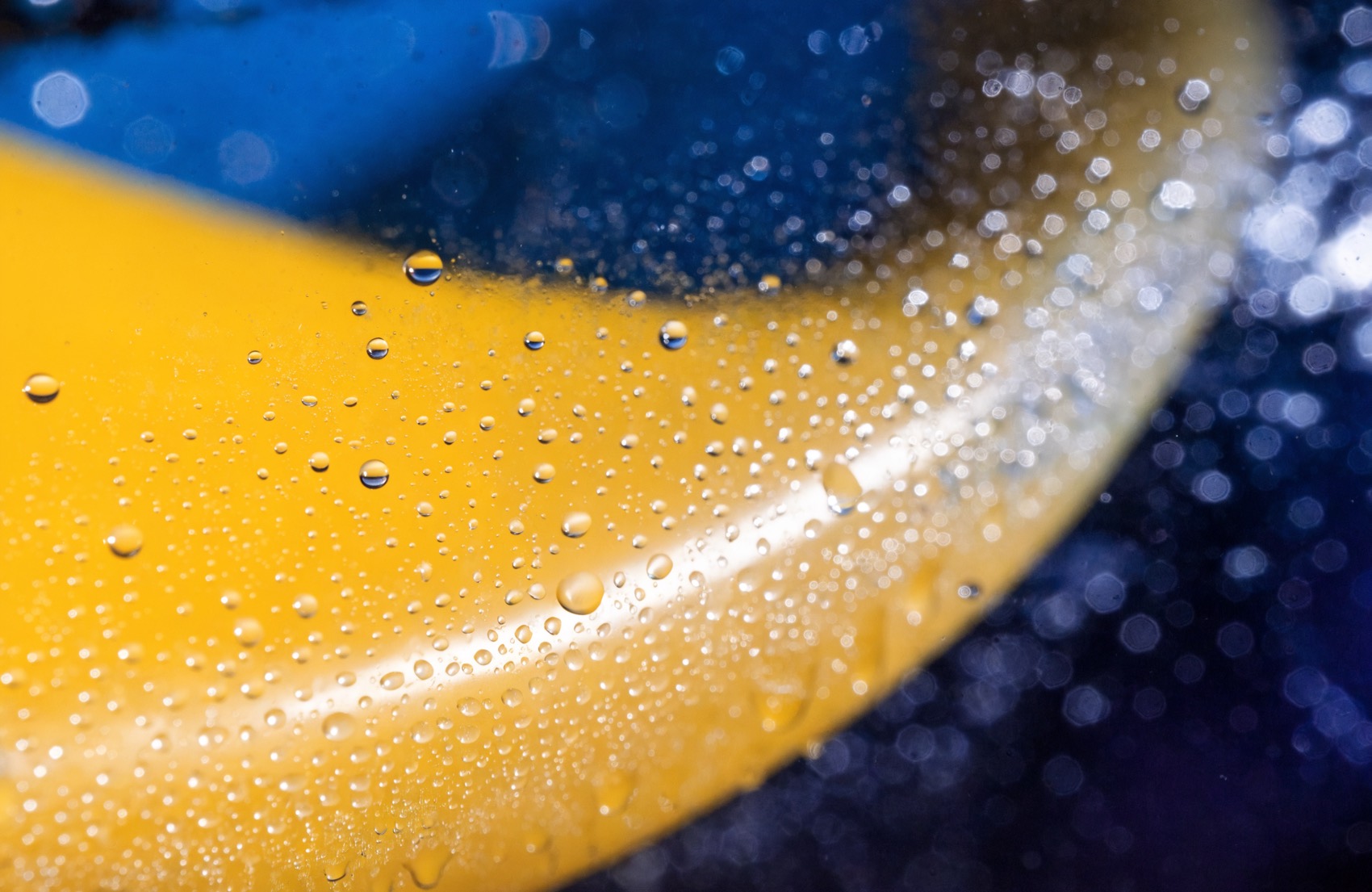
Biofouling guidance is tightening
Why non-toxic anti-fouling identification is becoming a specification requirement.
Read →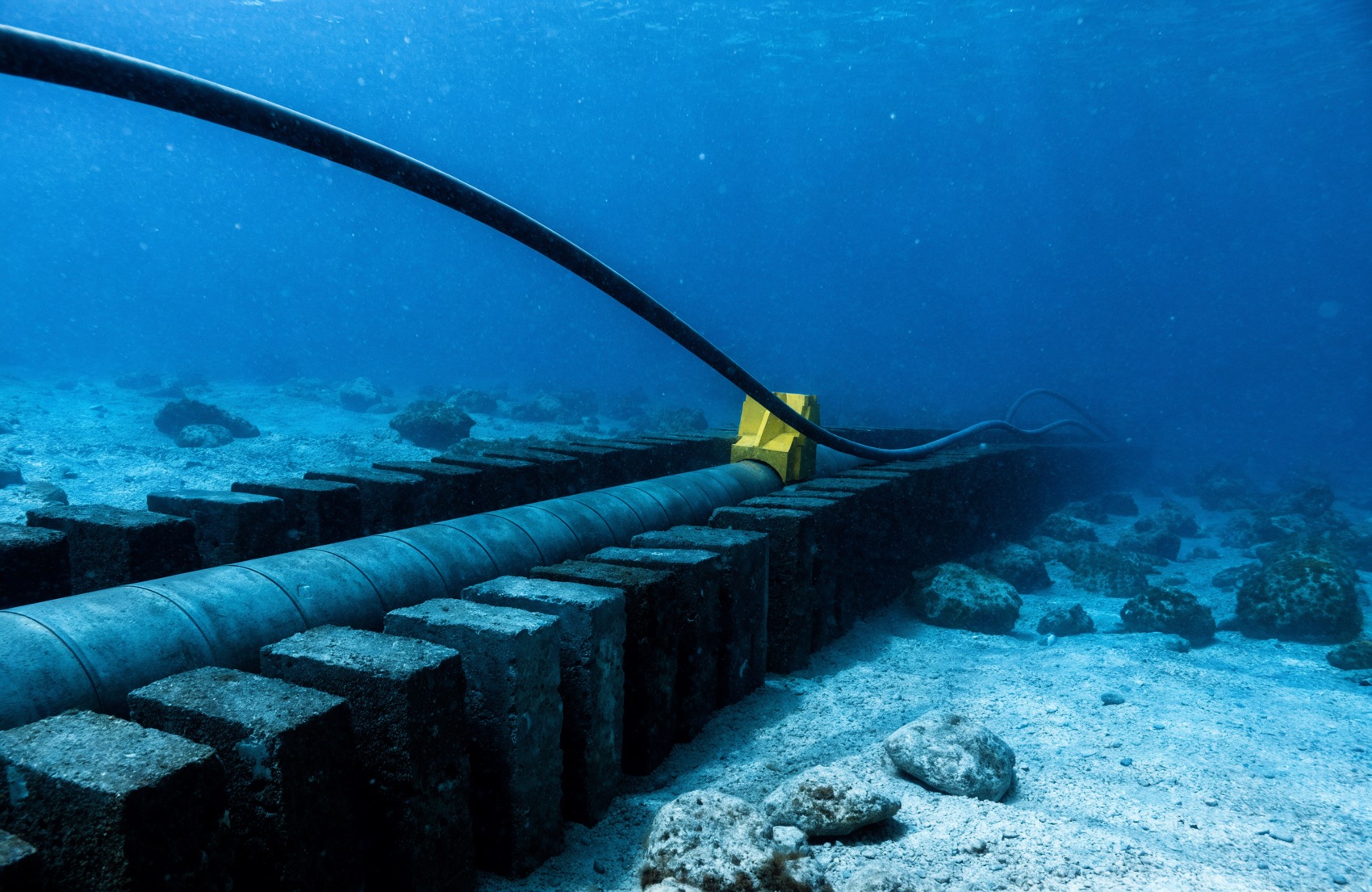
Inter-array cable crossing markers
An illustrative scope: crossing and route identification over existing infrastructure.
Read →What Aquasign is made of
The non-toxic, oil-exuding silicone behind the durability and the environmental case.
Read →